Preparing your home for sale in the Fraser Valley: what to fix, what to skip and how to price it
Buyers in the Fraser Valley have plenty to choose from right now, so condition, presentation and price decide which homes sell. Here is how to prepare without overspending, and what BC's disclosure rules expect of you.
The short answer
- Fix what touches safety, water, function and permits first. Leave large renovations to the buyer.
- A pre listing inspection by a licensed inspector finds problems on your schedule, but anything material you learn has to be disclosed.
- No BC statute requires the Property Disclosure Statement, but known latent defects that make a home unsafe or unfit must be disclosed.
- In October 2026 the Fraser Valley sales to active listings ratio was 11%, a buyer's market, so price to today's sales, not last year's.
The market you are preparing for
The Fraser Valley Real Estate Board recorded 1,051 sales in October 2026 against 9,164 active listings, a sales to active listings ratio of 11%. The board calls a ratio between 12% and 20% balanced, so the region remains a buyer's market. The composite benchmark price was $860,000, down 6.4% from October 2025.
For a seller, that means buyers can compare your home with many others before they book a showing. A clean, sound, well priced home still sells. One that needs work or is priced to last year waits. This Fraser Valley market report tracks the board's numbers month by month.
| Property type | Benchmark price | Change from October 2025 | Average days to sell |
|---|---|---|---|
| Detached | $1,293,800 | Down 8.5% | 50 |
| Townhome | $742,300 | Down 5.5% | 37 |
| Apartment or condo | $460,800 | Down 8.1% | 44 |
What to fix before selling a house
Work through repairs in this order. The first 4 are what inspections tend to flag and what buyers negotiate over. The last is what buyers notice first.
- Safety: missing or dead smoke and carbon monoxide alarms, loose railings, exposed wiring, trip hazards on stairs and decks.
- Water: active leaks, stained ceilings, failed caulking around tubs and showers, clogged gutters and downspouts, grading that sends water toward the foundation.
- Function: doors and windows that stick, dripping taps, running toilets, broken appliances that stay with the house, burned out bulbs, a furnace or water heater that has not been serviced.
- Permits: if a suite, deck, addition or basement finish was built without permits, find out now. Your municipality can tell you what permits are on file for the property.
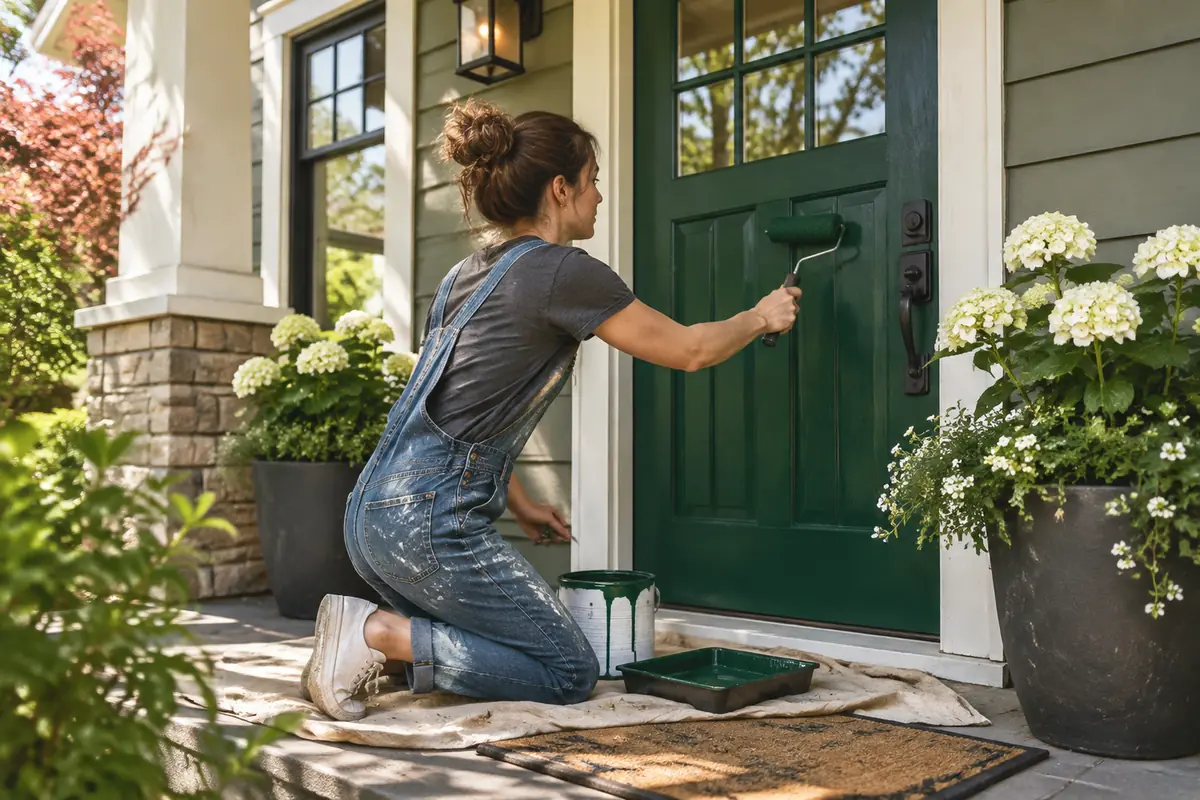
- First impressions: touch up paint, clean or replace worn carpet, power wash the driveway and siding, tidy the garden and make the front door look cared for.
Painting over a water stain does not remove your duty to disclose a known defect, and it tends to come out at the buyer's inspection anyway. Fix the cause, keep the invoice, and tell buyers what was done.
What to skip
Big projects right before listing rarely make sense. A new kitchen or bathroom takes weeks, can run over budget, and reflects your taste rather than the next owner's. Buyers expect to pay less for a home that needs updating, and in a market with this many listings they have the time to find one that already suits them.
Skip anything that needs a permit you cannot finish before listing, and anything you would do without one. If a big item such as the roof or the furnace is near the end of its life, a quote from a contractor often does more for you than the replacement itself, because the buyer can see the real cost and you can price for it.
Pre listing home inspection: pros and cons
Home inspectors in BC must be licensed by Consumer Protection BC, and you can check a licence on its website. A licensed inspector gives you a written contract and a written report. An inspection is visual and non invasive: inspectors do not do destructive testing, give repair estimates, or assess hazards such as asbestos or mould. On acreage with a septic system or a well, ask about those separately.
The upside is control. You find problems weeks before a buyer does, fix them or price for them, and avoid surprises during the buyer's subject period, when an inspection finding can reopen the price. Buyers in BC also have a 3 business day rescission period after an accepted offer, which runs at the same time as their subjects.
The downside is cost, plus a buyer will usually order their own inspection anyway. And once you know about a material latent defect, you have to disclose it. That is a reason to fix it, not a reason to avoid knowing: a problem you find on your schedule is cheaper than one found on the buyer's.
Disclosure: the Property Disclosure Statement and latent defects
The Property Disclosure Statement (PDS) is a form published by the BC Real Estate Association. BCFSA, the provincial regulator, noted in a 2022 report that boards make a property disclosure part of MLS listings but that no statute requires a seller to complete it, and a seller may strike it out. Many buyers make their offer subject to receiving one, and once a PDS is made part of the contract, you are generally liable for any misrepresentation in it. Answer it carefully and only from what you actually know.
Separately, at common law a seller must disclose known latent defects that may make a home unsafe or unfit to live in. A latent defect is one a reasonable inspection would not find, such as mould inside a wall. Defects a buyer can see for themselves are theirs to discover.
Your REALTOR has a further duty under section 59 of the Real Estate Services Rules: to disclose to buyers, promptly and before any agreement, any material latent defect they know about. That includes a defect that makes the home dangerous or unfit to live in, a defect that would be very expensive to fix, a local government notice that something must be remedied, and a lack of the proper municipal building permits. If a seller tells their licensee to withhold it, the licensee must stop acting for them.
Home staging tips and photos
Buyers usually see your home first in the listing photos, often on a phone. Staging is about making those photos, and then the showing, easy to read.
- Declutter until each room has a clear purpose and open floor. Pack away most of what sits on counters and shelves.
- Depersonalize: fewer family photos and collections, so buyers can picture their own things.
- Open blinds, turn on every light and replace mismatched bulbs before photos and showings.
- Neutral, clean bedding and towels do more than new furniture.
- Show what the home is for. If there is a suite, a home office or a usable yard, stage it as one.
- Book photos for good daylight and after the cleaning, not before. Include a floor plan so buyers understand the layout before they visit.
Pricing in a buyer's market
With an 11% sales to active ratio, buyers have time to compare. A price set from last year's sales, or from what you need to net, is a common reason a home sits, and the longer it sits, the more buyers wonder why. Price from recent sales of homes like yours, adjusted for condition, and decide in advance how you will respond if showings are slow.
A Langley home value estimate is a quick first look before a proper market analysis. Budget for your selling costs, including commission, so you know your real net at each price. When I walk a home with a seller, I usually find the list of what really matters is shorter than they feared, and the money is better spent on getting the price right.
2 more things to check before you list. If you have tenants, staging and photos need their consent, so read selling a tenanted property in BC first. If part of the home has been rented or used for business, the principal residence exemption may not cover all of the gain.
This is general information, not legal or tax advice. Confirm your own situation with a lawyer or accountant.
Frequently asked questions
What should I fix before selling my house?
Start with safety items, leaks and water damage, anything that does not work, and unpermitted work. Then do inexpensive cosmetic touch ups such as paint, cleaning and curb appeal. Leave major renovations to the buyer.
Should I get a pre listing home inspection in BC?
It often helps, especially on older homes, because you can fix or price for problems before a buyer finds them. Use an inspector licensed by Consumer Protection BC, and remember that a material defect you learn about has to be disclosed.
Do I have to fill out a Property Disclosure Statement in BC?
No statute requires it, but real estate boards make a property disclosure part of MLS listings and many buyers make their offer subject to one. Whatever you do, known latent defects that make the home unsafe or unfit to live in must be disclosed.
Do I have to disclose unpermitted work when selling?
Your REALTOR must disclose known material latent defects, and a lack of appropriate municipal building permits is one of them under the Real Estate Services Rules. Checking your municipality's permit records before listing avoids surprises.
Is the Fraser Valley a buyer's market right now?
Yes. In October 2026 the Fraser Valley Real Estate Board reported a sales to active listings ratio of 11%, below the 12% to 20% range it calls balanced, with 9,164 active listings.
Can a buyer back out after I accept their offer?
Yes, within 3 business days of acceptance under BC's home buyer rescission period, by giving written notice and paying you 0.25% of the purchase price. Their subject conditions run at the same time.
Thinking about selling?
Ask Shawn for a free valuation against this month's sales in your neighbourhood.
Get a home valuationSources
- Fraser Valley Real Estate Board: October 2026 statistics package
- BC Laws: Real Estate Services Rules, section 59
- BCFSA: Enhancing Consumer Protection in BC's Real Estate Market, report to the Minister of Finance (May 2022)
- BCFSA: FAQs about real estate transactions
- BCFSA: Home Buyer Rescission Period
- Consumer Protection BC: 5 things to know before hiring a home inspector in BC
- Consumer Protection BC: Home inspections
More guides

The BC home flipping tax: what it costs to sell within 2 years, and who is exempt
Since January 1, 2025, British Columbia taxes the profit on a home sold within 730 days of buying it. Here is how the rate is worked out, what counts as profit, which sel

The principal residence exemption in BC: what happens to the gain when you sell your home
Selling the home you live in is usually tax free in Canada, but only if you report the sale and designate the property correctly. Here is how the CRA's principal res
Selling a tenanted property in BC: what the Residential Tenancy Act lets you do
A tenancy does not end because you sell. If your buyer wants the home empty, the Residential Tenancy Act sets out who asks, when, how much notice the tenant gets and what